Commercial Kitchen Fire Suppression Systems
Protect restaurants, hotels, and commercial kitchens from grease fires with automatic suppression systems.
Grease Fires Move Fast in Commercial Kitchens
Cooking areas carry unique fire risks. Heat, oil, exhaust ducts, and busy operations can cause a small incident to spread quickly without the right suppression system.
Cooking Oils Ignite Rapidly
High-temperature oils and grease can ignite quickly and become difficult to control with ordinary response methods.
Fire Spreads Through Exhaust Ducts
Kitchen fires can travel into hood and duct areas, creating hidden fire spread risks.
Manual Extinguishers Are Often Insufficient
Manual response may not be fast enough for hood, appliance, and duct fire hazards.
Automatic Suppression Built Around the Cooking Line
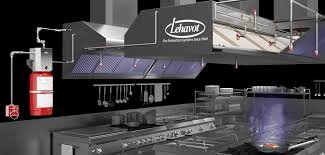
A kitchen hood suppression system combines detection, agent storage, discharge points, manual activation, control, and gas shutoff support.
Detection
Heat detection components monitor the hood and cooking area for fire conditions.
Agent Tanks
Suppression agent storage sized and configured for the protected cooking equipment.
Nozzles
Discharge nozzles positioned to protect appliances, hoods, and hazard points.
Manual Pull Station
Manual activation point for trained staff when immediate system release is needed.
Control Panel
System control support for activation, monitoring, and connected shutdown functions.
Gas Shutoff
Automatic fuel or gas shutoff support to reduce continued fire risk after activation.
Suppression for Food Service and Cooking Facilities
Prime Solutions supports kitchens where cooking fire risk, customer safety, staff safety, and business continuity matter every day.
From Kitchen Survey to Maintenance
A structured process helps align the suppression system with the kitchen layout, equipment, cooking hazards, and maintenance needs.
Kitchen Installations
Use this section for approved photos of hood suppression installations, tanks, nozzles, pull stations, testing, and finished commercial kitchens.
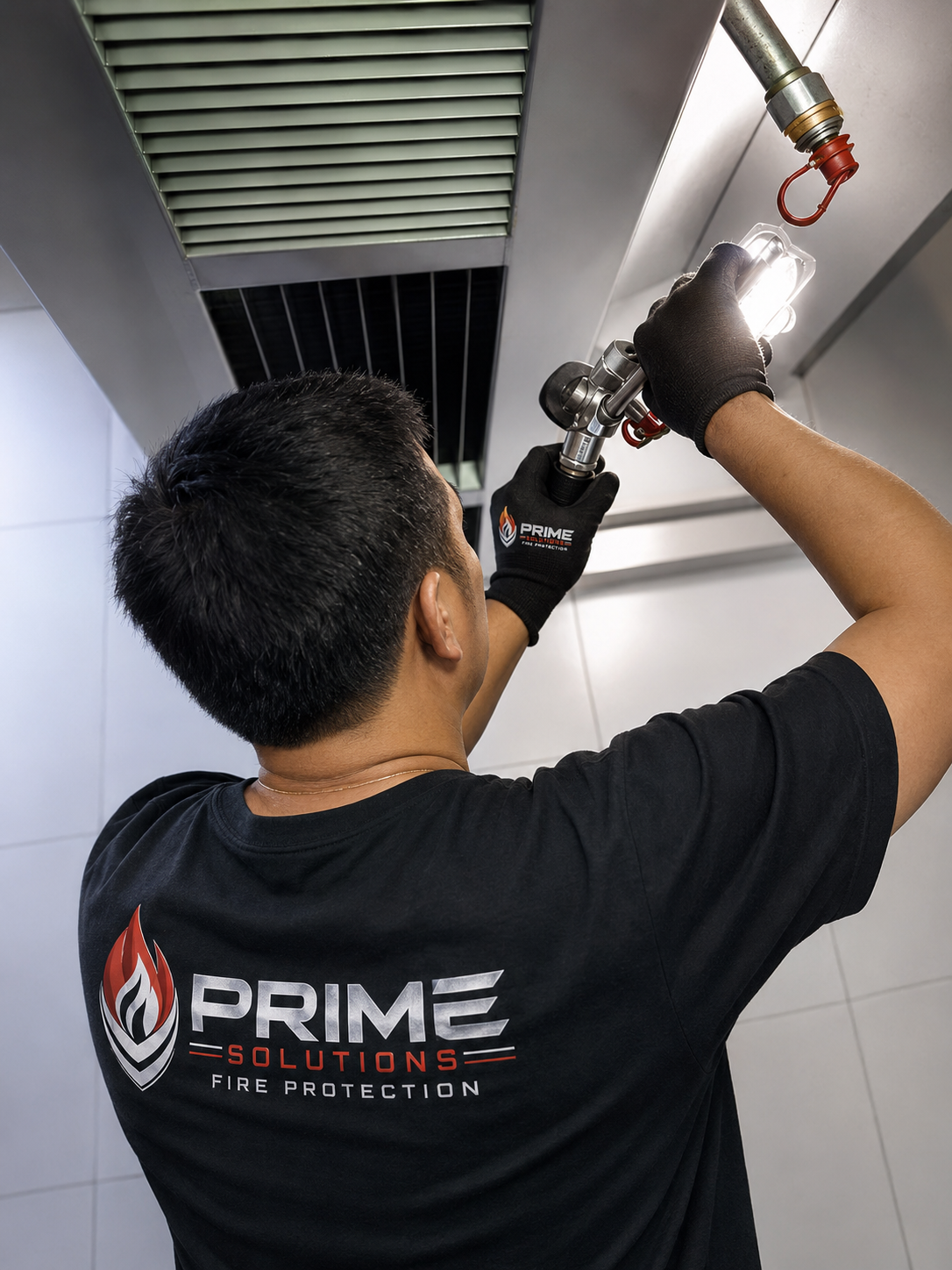
Hood and Nozzle Installation
Show nozzle placement, hood protection, or cooking line coverage.
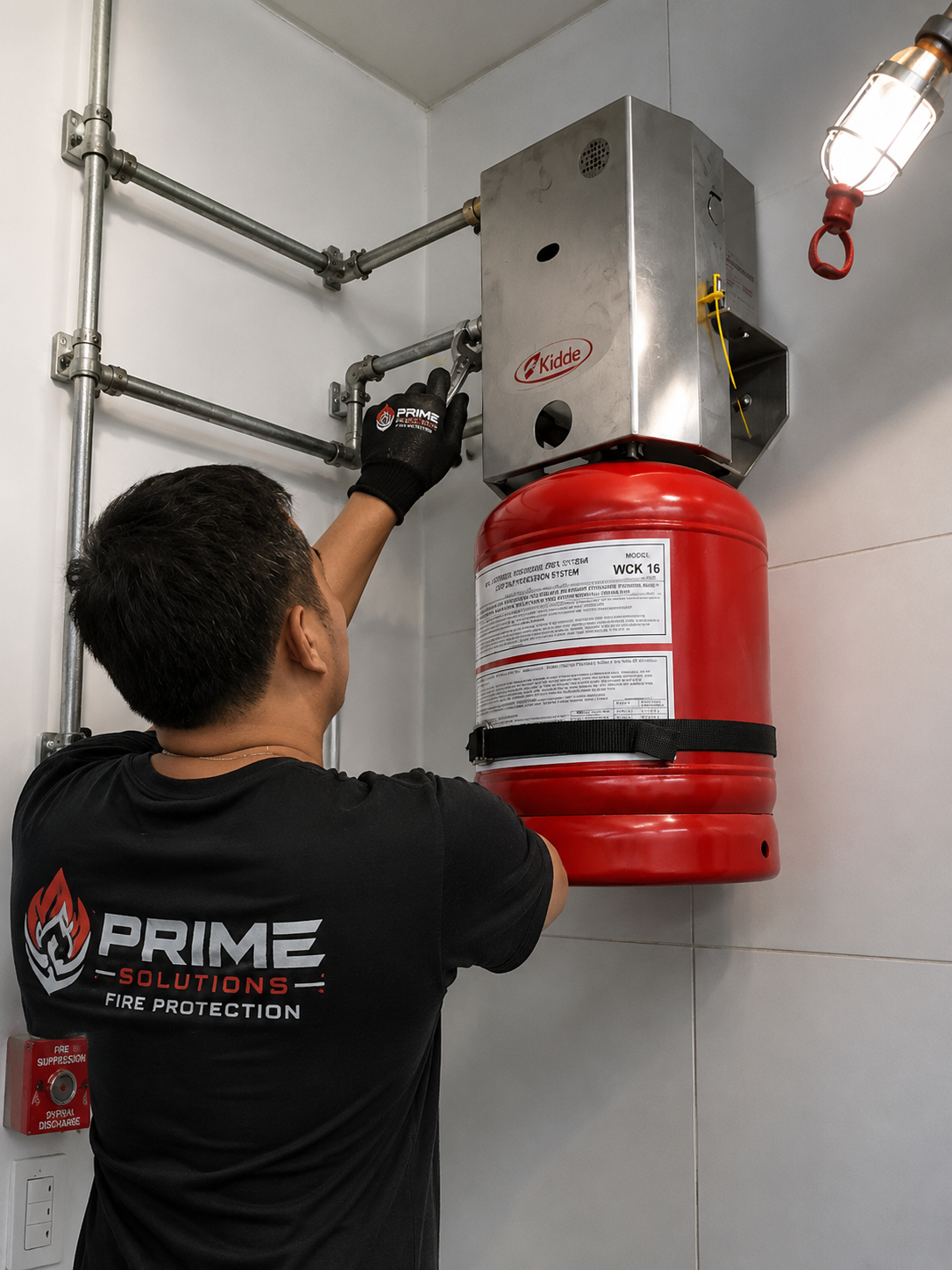
Tank and Control Setup
Show agent tank, control components, pull station, or gas shutoff setup.
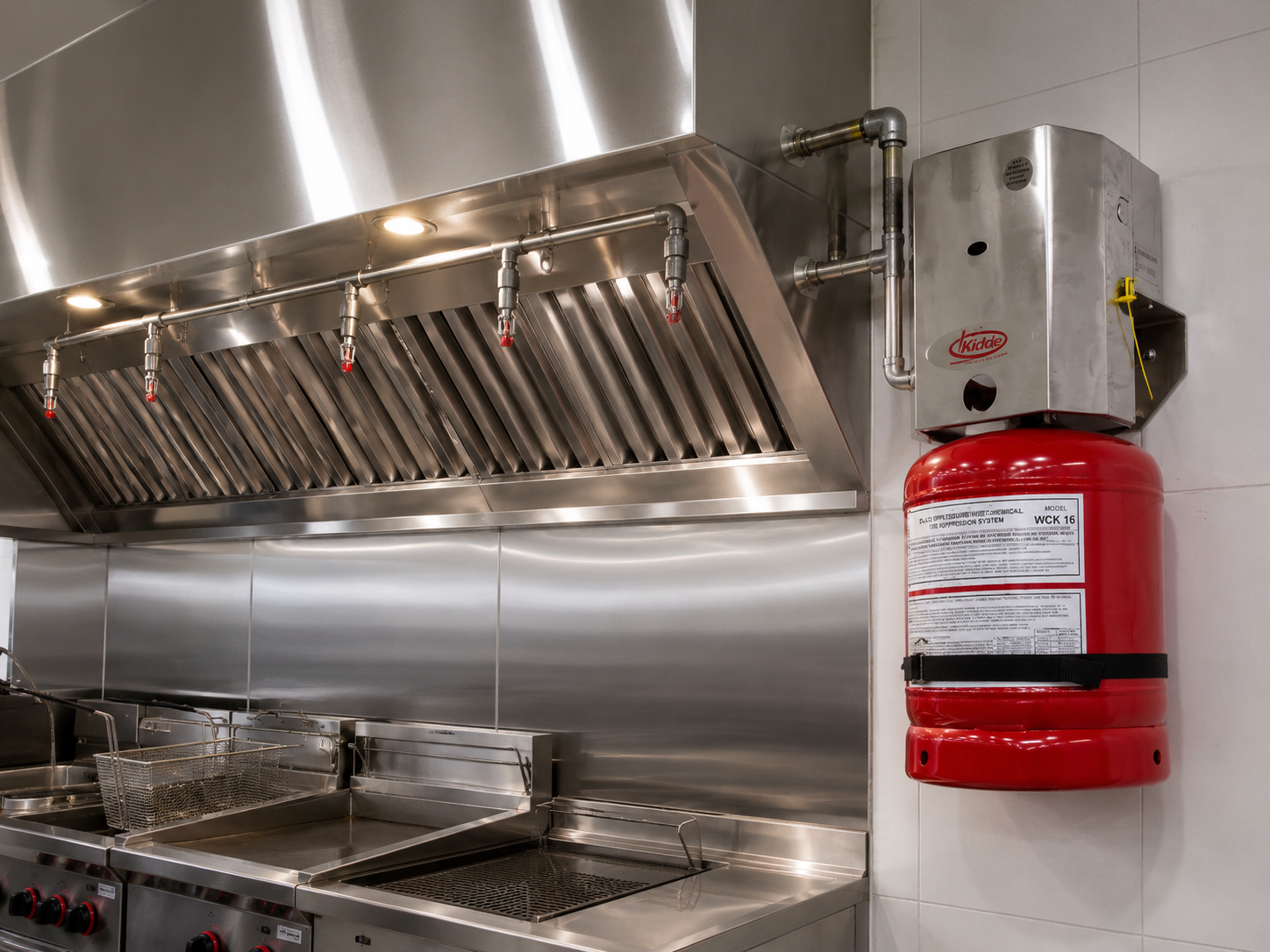
Completed Kitchen Installation
Show final turnover photos of protected commercial kitchens.
Kitchen Suppression Questions
Quick answers for restaurant owners, hotel operators, and commercial kitchen managers.
Is kitchen suppression required?
Many commercial kitchens may require fire suppression depending on equipment, cooking hazards, occupancy, insurance, and local fire safety requirements. A site assessment helps clarify practical needs.
How often should systems be inspected?
Kitchen suppression systems should be inspected and maintained regularly based on manufacturer guidance, usage, site conditions, and applicable requirements.
Can existing kitchens be retrofitted?
Yes. Existing kitchens can often be assessed for retrofit options depending on hood layout, appliance arrangement, ducting, access, and system requirements.
Does the system shut off gas automatically?
Kitchen suppression systems can include gas or fuel shutoff support depending on the design and protected equipment.
Do you provide maintenance after installation?
Yes. Prime Solutions can support inspection, testing, servicing, and preventive maintenance for kitchen hood suppression systems.
Protect Your Kitchen Today
Request a free kitchen assessment for restaurants, hotels, food courts, cloud kitchens, and industrial kitchens.